
Films / The Game
Film Review
The Game
1997 · Dir. David Fincher · Psychological Thriller · 129 min
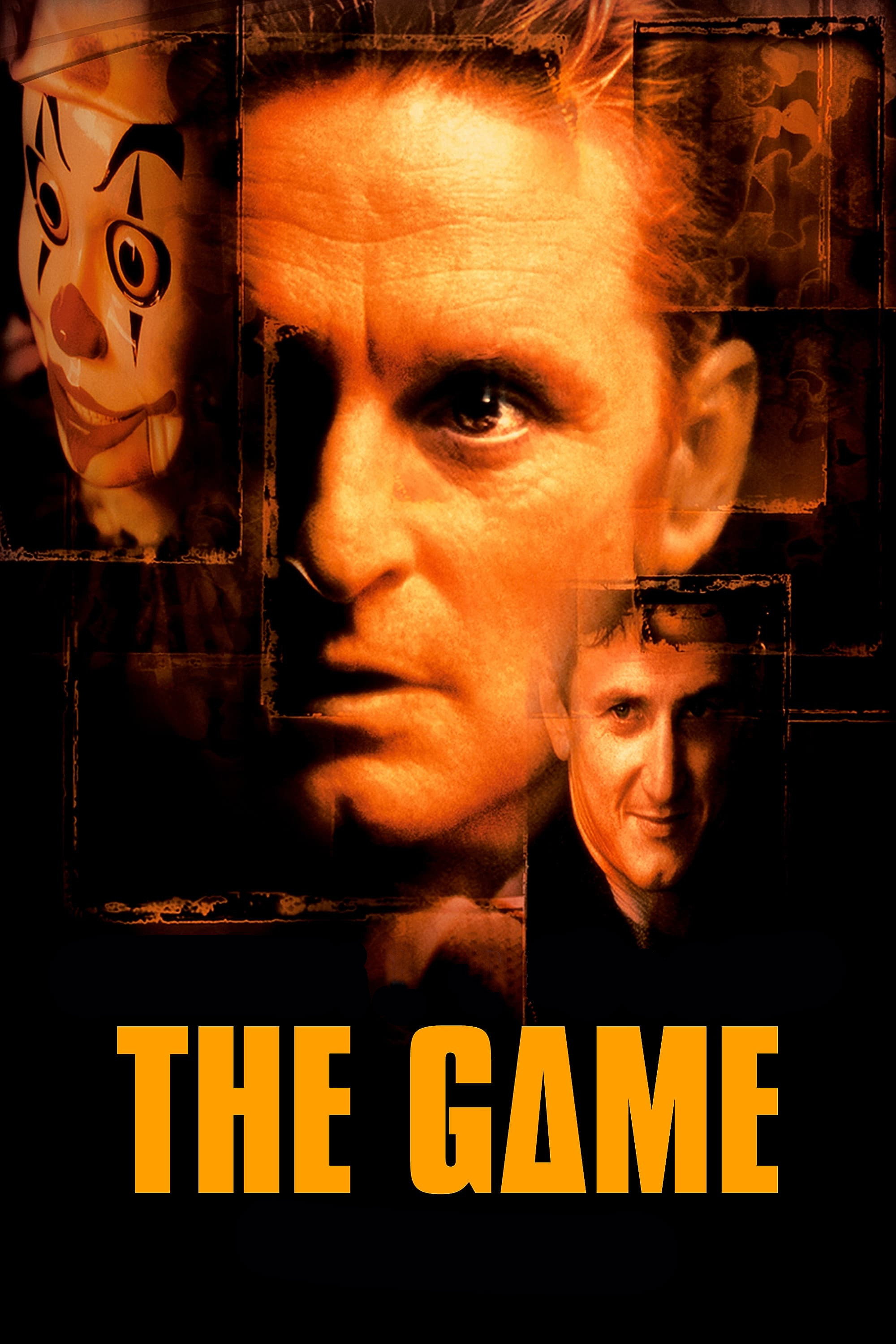
A self-absorbed millionaire receives an unusual birthday gift from his brother: a paid experience from a mysterious company called Consumer Recreation Services. What begins as a game quickly dismantles his entire life.
Michael
Had Notes
The reviews
M
Michael
The Film Snob
Had Notes
Director David Fincher started his career with the disappointing Alien 3, which wasn't a great movie, but had an atmosphere unparalleled by the previous films. His next film, Seven, singled him out as a director willing to take chances and using darkness almost as another character. Now he has made The Game, a skillful blending of suspense and excitement that has not been seen for most of this year. And like many great directors, Fincher's films get better and better as they go. It is also a film unlike his previous two, as seen in its ending.
When Fincher did Seven, he was critically acclaimed and he produced a film that was controversial but popular enough to be successful. Now he brings a film that doesn't have quite the controversy, but may be more accessible to a bigger audience. This film is original and a fresh approach to an old adage: How do tight-wad executives have fun?
Michael Douglas stars as Nicholas Van Orten, a self-absorbed millionaire who finds joy in demanding resignations and watching stock quotes on television. Nick is having a relatively quiet 48th birthday, but inside he is going through some turmoil. It seems that his father killed himself on his 48th birthday, and there is a certain stigma surrounding Nick's turning 48. He receives a birthday gift from his wayward brother, the always brilliant Sean Penn.
That gift is a paid visit to Consumer Recreation Services, a seemingly mega-corporation that sells "the game". It is unclear at first what this game is. But Van Orten goes through a day-long series of mental and physical tests that seem extremely absurd to us as an audience. And it keeps us guessing. Van Orten is called by CRS, but is told he was rejected. But was he really? We realize that maybe that may not be the case, as his life starts to be destroyed.
The terrific work of this film is the point of view. We see the entire movie through Van Orten's eyes, and that perspective doesn't lag at all. When he wonders what is going on, so do we. When he reacts, so do we. And it is Douglas' performance that makes it all work. This is Oscar-worthy work, as we see a man change, but change subtly. He isn't Scrooge, and the change that occurs is disguised by the action in the film.
Douglas is the only actor we see throughout the entire movie. Sean Penn plays a surprisingly minor role as Conrad Van Orten, Nick's brother and seemingly a wandering vagabond living in the shadow of his dead father's money. He only appears in three small five to ten minute portions. Catherine Kara Unger, a Canadian actress whose last work, David Cronenberg's Crash, gave her minimal exposure, does a decent job as a seemingly innocent bystander (or employee of CRS), but she is always in the background. Her personal background is suspicious, and she never really develops into a character we care about. The third of the minor characters is played by James Rebhorn, a veteran character actor best known for his performances in Scent of a Woman and Independence Day. He plays an executive at CRS, but is he really an executive? What exactly is CRS?
The final minor character is played rather low-key by Armin Mueller-Stahl, who played the father of David Helfcott in Scott Hicks' brilliant Shine. He plays the CEO of a publishing company, and victim of Van Orten's brutal business working. He plays the character, an old friend of Van Orten's father, but he plays it with incredible restraint, and even accepts the order from Van Orten to resign. His is a curious personality, one that doesn't seem to fit, except as scapegoat to blame for the horrible things happening in Van Orten's life.
Like Seven, the major portions of the film are at night. The film is actually a bit lighter than its predecessor, but it still maintains a suspenseful tone. Fincher uses the camera to catch Douglas' facial expressions, and he does it so that we share the same emotions. Fincher also uses the same glow-in-the-dark paint that he used in Seven, in which a murder victim had the words "Help Me" written on a wall with his fingerprints. Except in The Game, that paint is used to a much more disturbing purpose.
The film is original, tight, and well-made. I was fully engrossed into the film, but the ending really disappointed me. Knowing Fincher's last two films, there was a distinct difference in the way he ended the movie. Make your own decision. I was disappointed about the ending, but I sure had fun getting there.